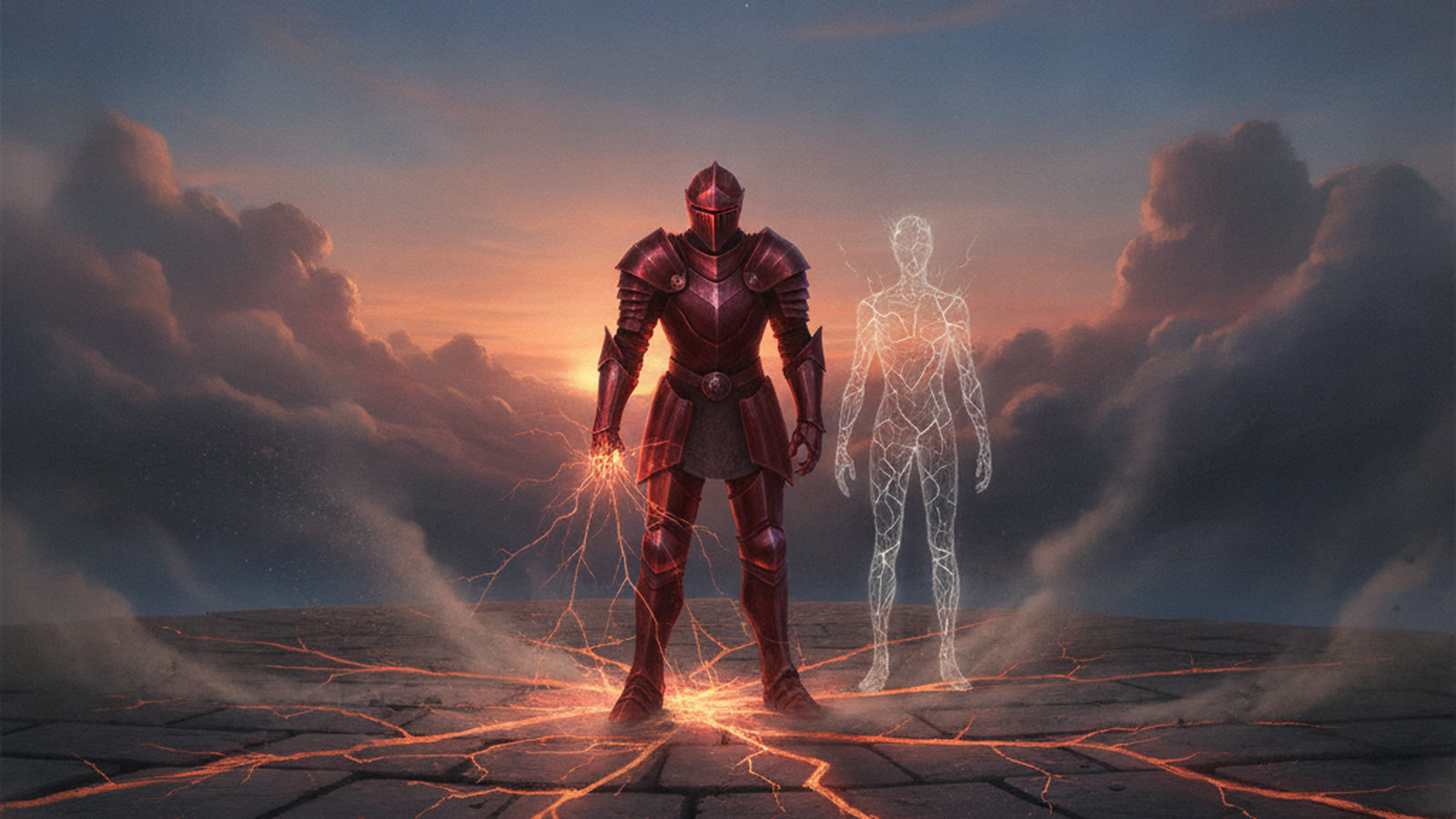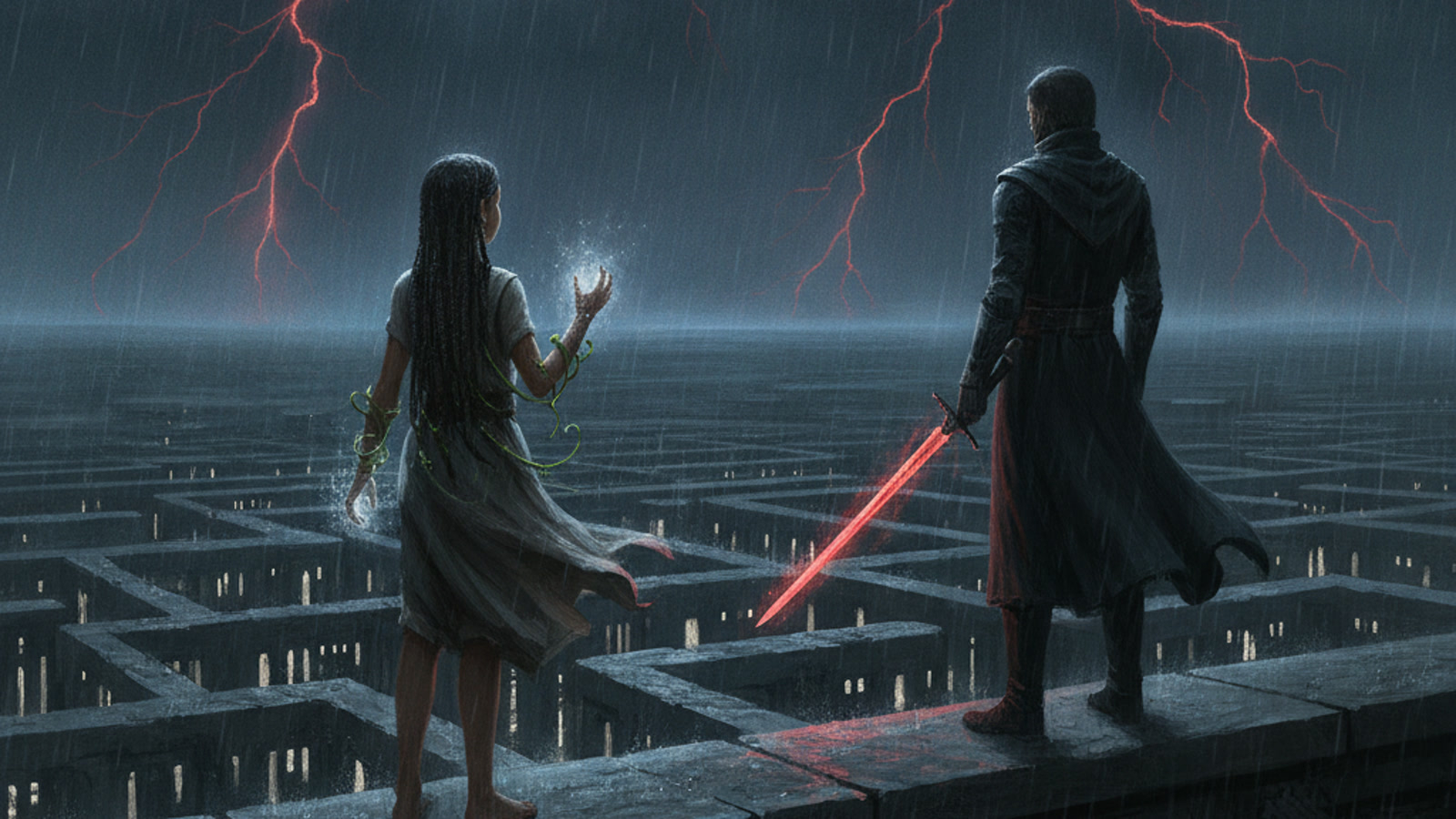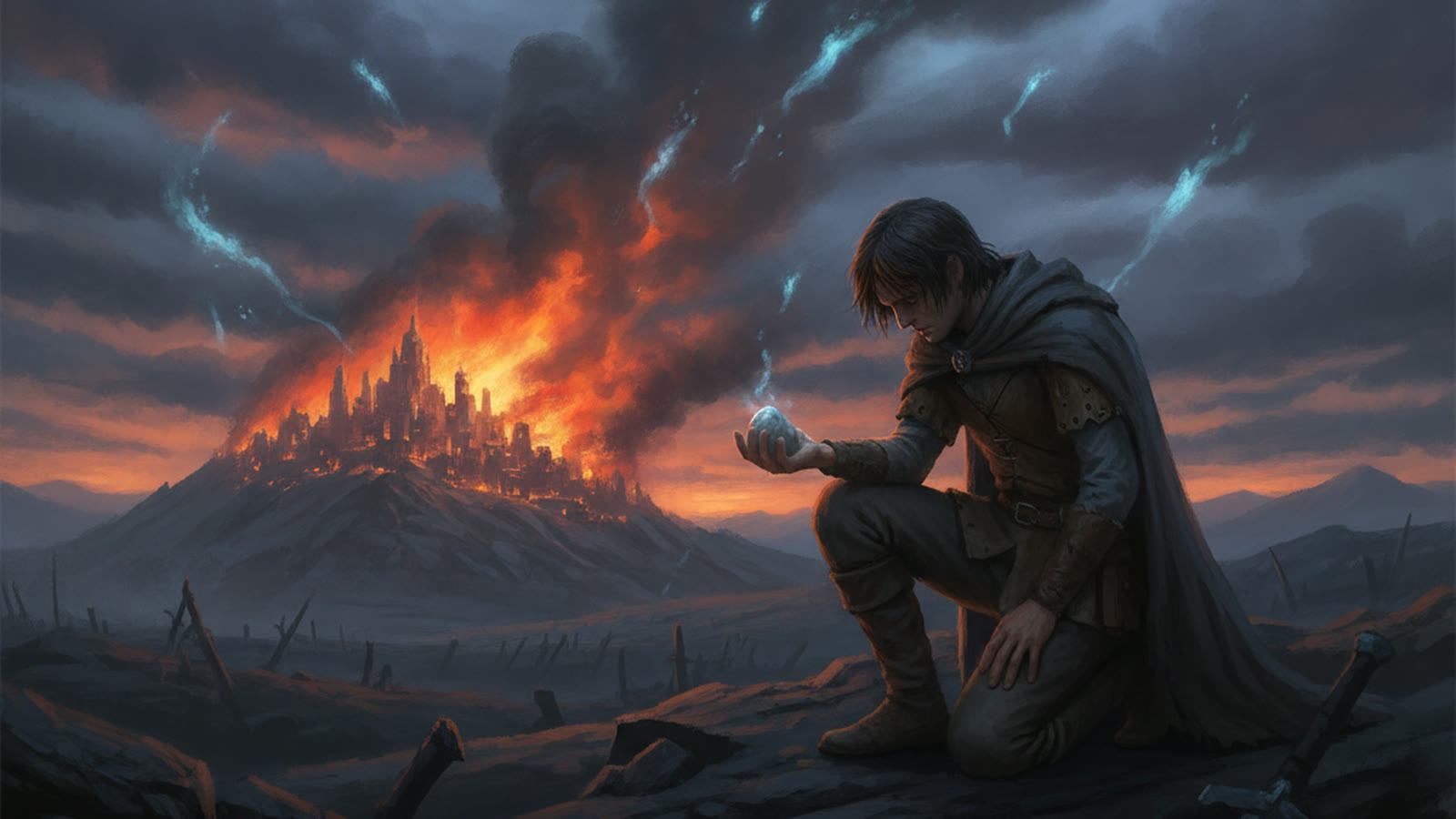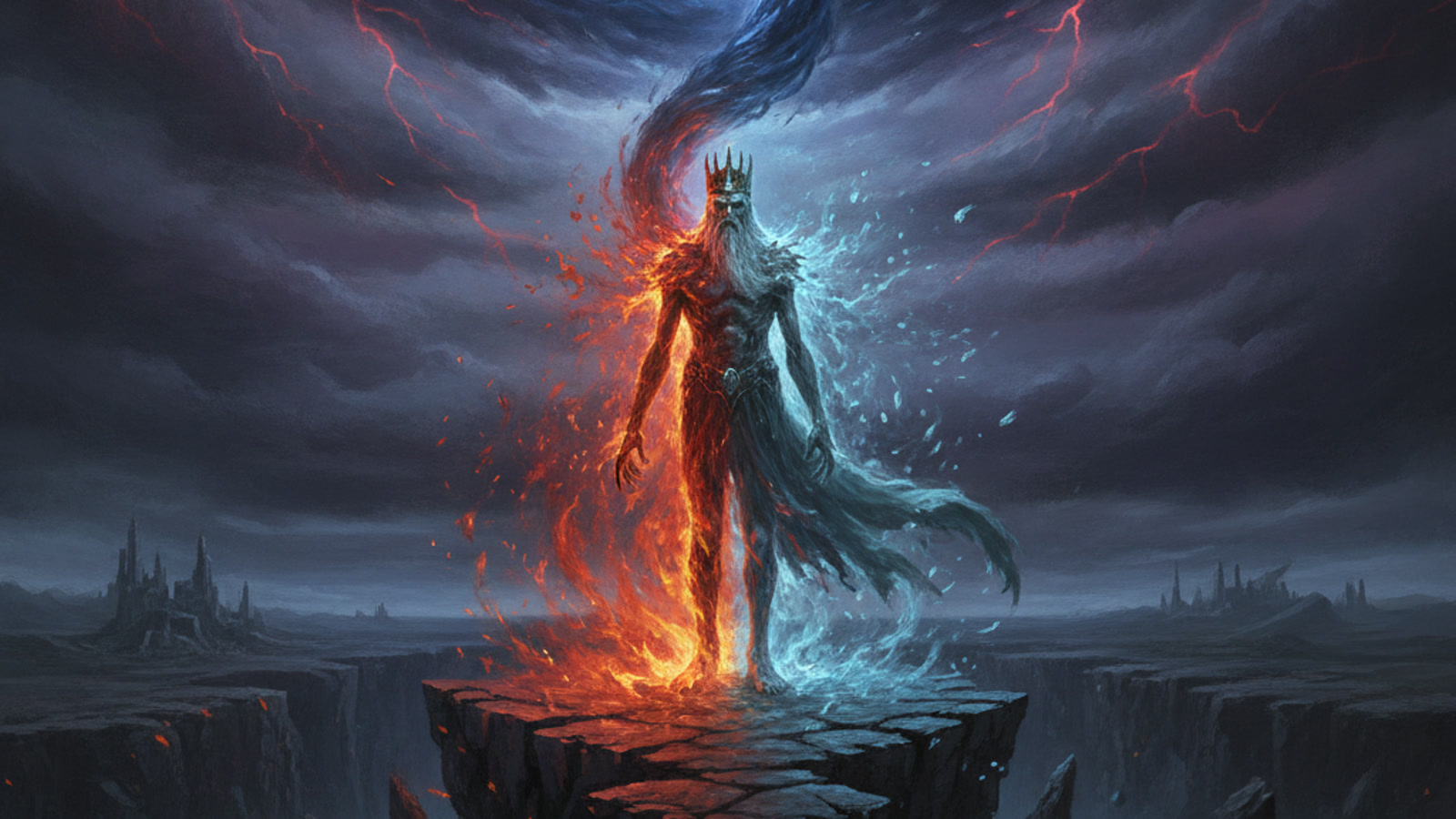
Odium is the Shard of Adonalsium behind the Fused, the Unmade and the Everstorm. Rayse held it for ten thousand years until Taravangian killed him with Nightblood and took the Shard. In Wind and Truth, Taravangian absorbed Honor as well, and the merged Shard became Retribution, a god of oaths and punishment. Spoilers through Wind and Truth follow.
What is Odium in the Stormlight Archive?
Odium is one of the sixteen Shards of Adonalsium in Brandon Sanderson’s cosmere, the god that the singers worship and the power behind the Fused, the Unmade, Voidlight and the Everstorm. Coppermind records that Frost and Hoid define Odium as divine hatred separated from the virtues that gave it context, while Rayse insisted the Shard was Passion, the Shard of strong emotion. Both readings appear in the books. Odium powers the Thrill, the Rhythms of the singer forms, and the comforting offer to take away guilt and pain. Unlike most Shards, Odium spent ages traveling the cosmere instead of settling on one world, until Honor and Cultivation bound him to the Rosharan system. Cultivation considers Odium the most dangerous Shard of all. Our guide to every Shard shows where Odium sits among the sixteen.
Who was Rayse, the first Vessel of Odium?
Rayse was one of the people who killed Adonalsium at the Shattering, and Coppermind says he chose Odium deliberately because he believed the Shard matched him perfectly. Rayse wanted to be the only god in the cosmere and hunted the Shards most likely to rival him. He killed Devotion and Dominion on Sel, which created the Dor and the strange location-bound magic of Elantris, and he Splintered Ambition after a battle that scarred the Threnodite system. Rayse usually appeared to humans as a grandfatherly old man with Shin features, white hair and a golden crown, and to singers as an ancient singer with gold and white marbled skin. Honor and Cultivation eventually bound him to the Rosharan system and imprisoned his forces on Braize through the Oathpact, but Rayse still managed to kill Honor before the Recreance.
How did Rayse manipulate Dalinar Kholin?
Rayse spent the centuries before the True Desolation preparing Dalinar Kholin to become his champion. Coppermind records that Rayse sent the Unmade Nergaoul to Alethkar, where the Thrill became a normal and even admired part of Alethi warfare, giving Odium a hook into every soldier who craved it. Dalinar, the Blackthorn, was the perfect candidate, and Odium worked to place as many hooks in him as possible. At the Battle of Thaylen Field in Oathbringer, Odium finally agreed to a contest of champions and named Dalinar himself as his champion, reminding him of Rathalas and the death of Evi. Dalinar refused to hand over his guilt, swore the Third Ideal of the Bondsmiths and opened Honor’s Perpendicularity, and Odium retreated from the field. Our Oathbringer ending explained covers the full scene.
How did Taravangian kill Rayse?
Taravangian killed Rayse with a plan built from his own imprisonment. After the Battle of Thaylen Field, Taravangian traded the Diagram’s information and an Honorblade to Odium in exchange for sparing the people of Kharbranth, then betrayed Dalinar’s campaign in Emul a year later and ended up locked in a comfortable prison. Coppermind records that Taravangian asked Dalinar for an Oathstone so that Szeth would come to kill him, and asked Sja-anat for two gemstones with corrupted windspren so that Odium would arrive at the same time. The plan worked. When Rayse pulled Taravangian into a vision, Taravangian grabbed the Cognitive aspect of Nightblood and stabbed the god with it, while Szeth killed his body with a belt knife. Our Rhythm of War ending explained walks through the whole chapter.
Taravangian Ascended to Odium on the very day his mind was at its least intelligent and most emotional, which Coppermind notes gave him an Intent very close to the Shard’s own. The illness that had split his days between genius and compassion vanished, leaving him with far more emotion and intelligence than before. Taravangian also realized that Rayse had been sliding toward oblivion for a very long time, weakened by his battles with other Shards and enslaved by the power he held. Nightblood consumed Rayse completely, and Rayse’s ruined body appeared where Taravangian’s should have been, so Szeth could not tell that anything had changed. Hoid noticed the new Vessel during a later encounter, so Taravangian tampered with the Breaths holding Hoid’s memories and replayed the conversation as Rayse. Our Nightblood guide explains how the sword could kill a god.
How is Taravangian different from Rayse as Odium?
Taravangian holds Odium very differently from Rayse, and the change matters for everyone on Roshar. Coppermind notes that Rayse offered followers relief by taking away their pain and guilt, which often produced apathy rather than passion, while Taravangian encourages people to live inside their emotions and considered Rayse a glutton for consuming them. Taravangian also feels the suffering of people across the cosmere as if it were his own, a burden the Shard does not let him switch off. The biggest difference is how each Vessel treats promises. Rayse felt bound by the spirit of the contest of champions, but Taravangian, according to Coppermind, was not shackled by the spirit of the contract and was free to explore its loopholes. A god that keeps only the exact words of a deal is far more dangerous than a god that keeps its meaning.
What were the terms of the contest of champions?
The contest of champions in Wind and Truth is a contract between Odium and Dalinar, acting for Honor, set for the tenth day of the month Palah at the tenth hour. Each side sends a willing champion to the top of Urithiru, unharmed by either army, to fight to the death. Coppermind records the final terms. If Dalinar’s champion wins, Odium returns Alethkar and Herdaz with their people intact, and if Odium’s champion wins, he keeps every land he has taken and claims Dalinar’s soul to serve him forever. Either way, Odium stays bound to the Rosharan system and both sides must keep the peace. Coppermind lists the loopholes Taravangian exploited, including the Alethi law that capturing a capital means capturing the country and the fact that a champion must be willing but can still be manipulated.
What did Taravangian do during the ten days of Wind and Truth?
Taravangian spent the ten days before the contest testing what kind of god he wanted to be. Coppermind records that on the first day he held a dead child in Tu Bayla and debated Cultivation about the greatest good for the cosmere, and on the second he convinced the Fused El to release the Unmade Dai-Gonarthis and lead his troops at the Shattered Plains. He offered the Herald Battar a planet in exchange for her help, gave Moash crystal spikes that let him see Investiture, and let his logical and emotional halves take turns ruling his choices. When Cultivation placed assassins near his family, Taravangian drowned Kharbranth under a tidal wave, after secretly moving its people into a replica of the city in the Spiritual Realm. On the ninth day he began grooming Dalinar’s grandson Gavinor through visions that lasted twenty subjective years.
How did Odium become Retribution?
Odium became Retribution during the contest of champions on Palahanah 1175, when Dalinar faced his own grandson Gavinor, whom Taravangian had shaped into a willing champion. Coppermind records that Dalinar Ascended to the Shard of Honor and almost immediately renounced its oaths, including his own, casting Honor away. Taravangian took Honor up and merged it with Odium, becoming the Vessel of a new combined Shard called Retribution. Dalinar died and passed into the Beyond before Taravangian could seize his Cognitive Shadow, so Taravangian took a version of Dalinar from a vision filled with his memories and made it a servant. Retribution then killed the Stormfather, withdrew all Stormlight, and let the Everstorm consume the highstorm, so that its own Light would be the only Investiture left on Roshar. Our Wind and Truth recap covers the whole finale.
What is Retribution’s Intent and power?
Retribution’s Intent, according to Coppermind, is about upholding oaths and destroying anyone who breaks them or believes they are not of utmost importance. Retribution cares less about the heart of an oath than about whether its exact definition was followed, which fits the way Taravangian already played the contest. The Light of Retribution is Warlight, a dark blue-black blend of Stormlight and Voidlight, and Retribution can draw on both older Lights. Coppermind also notes that Retribution can draw in spren made from either Honor or Odium, though the Oathpact currently prevents it, and that the merger and the storm caused time around Roshar to slow down. The projected dilation is roughly ten years on Roshar for every eighty in the rest of the cosmere. The new perpendicularity sits in the Shattered Plains, where the Well of Control filled with blue-black fluid.
Why did Retribution go into hiding?
Retribution went into hiding almost immediately after forming, because two aligned Shards held by a single Vessel drew the attention of every other Shard in the cosmere. Coppermind quotes Retribution’s own reasoning that Harmony’s powers were misaligned, while Honor and Odium wanted nearly the same things and would work together. That alignment is exactly what Rayse feared when he learned about Harmony, and it now belongs to his killer. Before vanishing, Retribution told the listeners they could receive his Light by leaving spheres out at midnight, and about a month and a half later he withdrew the Everstorm from Azir, which had won its independence under the terms of the contest. Coppermind adds that Retribution plans to return to Roshar later, after his centuries of plans were forced to move much faster than intended.
What are the best theories about Retribution’s future?
The most discussed theory is that Retribution becomes the main antagonist of the second Stormlight arc, a god who keeps every promise to the letter and punishes everyone who does not. The time dilation supports that reading, because Roshar experiences only about a decade while the wider cosmere moves on, setting up a very different balance of power when Retribution returns. A second theory, which is speculation rather than confirmed lore, is that Retribution’s obsession with oaths gives the Knights Radiant a weapon, since a Shard bound to exact words can be trapped by them just as Taravangian trapped Rayse. A third points at Harmony and Autonomy as the Shards most likely to respond. Our Hoid explained post covers the character most likely to stand in Retribution’s way.
Frequently asked questions
Who is Odium in the Stormlight Archive?
Odium is one of the sixteen Shards of Adonalsium, the god behind the Fused, the Unmade, Voidlight and the Everstorm in the Stormlight Archive. Rayse held Odium for roughly ten thousand years after the Shattering and used it to kill Devotion, Dominion, Ambition and Honor. Taravangian became the second Vessel of Odium after killing Rayse with Nightblood at the end of Rhythm of War.
How did Taravangian become Odium?
Taravangian became Odium by arranging for Szeth and Rayse to reach him at the same moment. When Rayse pulled him into a vision, Taravangian grabbed the Cognitive aspect of Nightblood and stabbed Rayse with it, while Szeth killed Taravangian’s body with a belt knife. Taravangian was having his least intelligent and most emotional day, which matched the Intent of the Shard, and he Ascended as the new Vessel.
What is Retribution in the Cosmere?
Retribution is the combined Shard Taravangian formed at the end of Wind and Truth by taking up Honor after Dalinar Ascended to it and renounced its oaths. Coppermind describes the Intent of Retribution as upholding oaths and destroying those who break them, caring about the exact wording more than the heart of an oath. The Light of Retribution is Warlight, which has a dark blue-black appearance.
Who won the contest of champions in Wind and Truth?
The contest of champions in Wind and Truth did not end with a clean win for either side. Taravangian groomed Dalinar’s grandson Gavinor as Odium’s champion, and during the contest Dalinar Ascended to Honor and then gave it up, which let Taravangian absorb Honor and become Retribution. Dalinar died and passed into the Beyond, and Azir later kept its independence under the terms of the agreement.
Is Retribution stronger than Harmony?
Retribution is not proven stronger than Harmony, but Coppermind calls it one of the most Invested beings in the cosmere. The key difference is alignment. Retribution itself reflects that the two Shards of Harmony are misaligned, while Honor and Odium want nearly the same things and can work together. Retribution also went into hiding right after forming, before the other Shards could move against it.
The Way of Kings is the perfect entry point. Available in print, Kindle, and audiobook.
The Stormlight Archive audiobooks - narrated by Michael Kramer & Kate Reading - are 40–57 hours each. The best use of a commute in fantasy history.