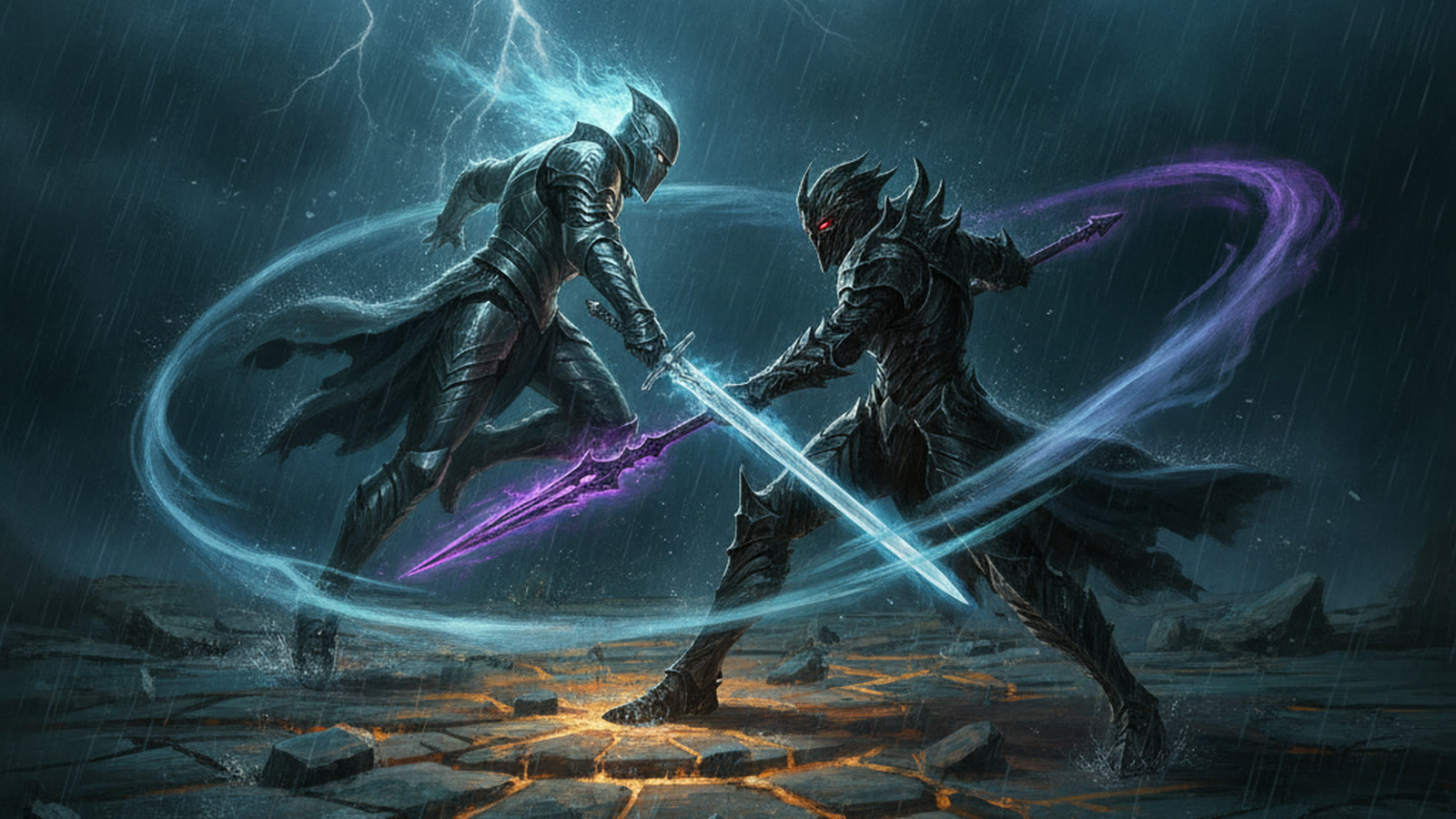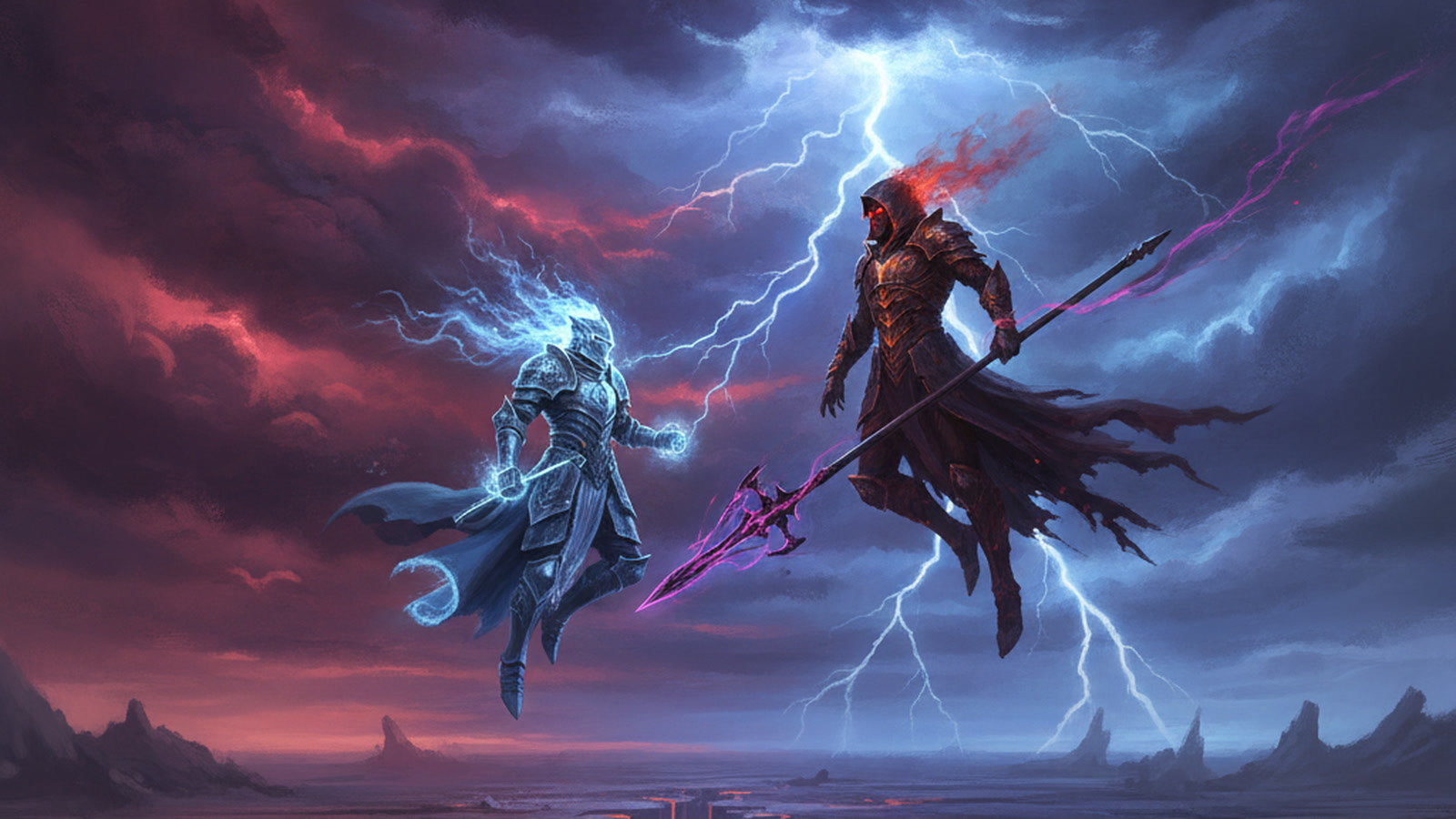
The Truthwatchers are the order of the Knights Radiant devoted to finding the deepest truths of the world and sharing them. Truthwatchers bond mistspren and use Progression and Illumination, and the best-known member, Renarin Kholin, sees the future instead of weaving illusions. Spoilers through Wind and Truth follow.
Who are the Truthwatchers in the Stormlight Archive?
The Truthwatchers are one of the ten orders of the Knights Radiant on Roshar, associated with the emerald polestone and the divine attributes Learned and Giving. According to Coppermind, the order exists to find the ultimate truth and share it, and focuses on the fundamental truths of the universe and on whether the powerful are being honest with the people they lead. The Truthwatchers attracted scientists, scholars and thinkers, enjoyed debate, and changed their minds when new information arrived. A smaller group within the order acted like investigative reporters, watching the rulers of Roshar and speaking loudly and forcefully when someone abused power or lied. Truthwatchers sit between the Edgedancers and the Lightweavers on the ring of orders, and share one Surge with each of those neighbors.
The Truthwatchers’ patron Herald is Pralla, known as Pailiah in Vorinism and Pala among the Iriali, and called the Herald of Knowledge. Coppermind describes Pralla as a scholar before she became a Herald, and as a good person whose flaw is a love of secrets. That flaw fits an order whose own history is hard to read. An epigraph in Words of Radiance, quoting the in-world book of the same name, says the ancient Truthwatchers never spoke or wrote of what they did, and that their silence came from tact rather than disdain. The Truthwatchers were the order most interested in obscure crafts and new fabrials. In the True Desolation, modern Truthwatchers are few and scattered around the world rather than united. Our guide to all ten orders places them next to the other nine.
What powers do Truthwatchers have?
Truthwatchers use two Surges, Progression and Illumination. Progression is the Surge of growth and healing: according to Coppermind, a Truthwatcher can heal damage to the body and the soul of a person instantly and without scarring, and can make plants grow, with more skill needed for advanced healing. Edgedancers like Lift share the same Surge, which is why both orders work as healers. Illumination is the Surge of light, sound and other waveforms, and a standard Truthwatcher uses Illumination to craft illusions, change appearance as a disguise, hide behind false walls or rocks, and distract an enemy. Lightweavers like Shallan share that Surge. The difference is focus: Coppermind notes that Lightweavers pursue personal truths, while Truthwatchers pursue the greater secrets of the universe. Our Edgedancers explained covers Progression from the other side.
Truthwatcher Shards follow the same pattern as every other order, and two details stand out. A Truthwatcher’s mistspren can become a Shardblade once the Radiant swears the Third Ideal, according to the Stormlight RPG handbook cited by Coppermind. A Truthwatcher’s Shardplate is formed of concentrationspren, a detail Brandon Sanderson confirmed in a Word of Brandon and that the RPG repeats. Renarin’s Blade gives a picture of the result: Coppermind describes Glys as a Shardblade as long and thin, with almost no crossguard and waving folds in the metal as if it had been forged. Renarin’s lights in Rhythm of War and Wind and Truth do things no Lightweaver illusion does, such as showing a person an alternate version of themselves, which leads straight into the question of Enlightened bonds. Compare the illusion side in our Lightweavers explained.
What are the Truthwatcher Ideals?
The Truthwatcher Ideals start with the First Ideal that every Radiant swears: “Life before death, strength before weakness, journey before destination.” The novels have not printed the later Truthwatcher Ideals, so the wording below comes from the Stormlight RPG handbook, as quoted by Coppermind. The Second Ideal is “I will seek truth wherever it is hidden,” and centers on searching for new knowledge; a Truthwatcher chooses which truths to seek, and success matters less than the search itself. The Third Ideal is “I will reveal truth to all who seek it,” built on the belief that hoarding secrets harms the world. The Third Ideal does not demand that a Truthwatcher share everything, only truths deliberately hidden from people who would benefit from them, and swearing it unlocks the Shardblade.
The Fourth Truthwatcher Ideal has individual wording that each Truthwatcher finds for themselves. According to the RPG material cited by Coppermind, its theme is accepting the consequences of sharing hidden secrets and forbidden truths, then sharing them anyway despite the risk, and swearing it grants Shardplate. The progression across the Ideals runs from curiosity to publication to personal cost, which suits an order built around reporters and scholars. One more rule changes everything for the most famous Truthwatcher. Coppermind records a Word of Brandon that an Enlightened Truthwatcher has different oaths from a standard one, so the Ideals Renarin swears are not these. Readers who want the complete picture of every order’s oaths can compare the Truthwatchers with the Skybreakers, whose Ideals are built around law instead of truth.
Why are Renarin’s powers different from other Truthwatchers?
Renarin Kholin’s powers differ because his spren, Glys, was Enlightened by the Unmade Sja-anat before the bond formed. According to Coppermind, Glys appears as a red crystalline snowflake that drips light upward instead of the usual shimmer of light through crystal, and Glys hides inside Renarin most of the time. Renarin still heals with Progression, though he cannot heal wounds a person has fully accepted as part of themselves. Illumination is where the bond breaks from the order: Renarin cannot weave illusions and can only summon lights that sometimes act in strange and unnatural ways. In exchange, the Enlightened bond grants visions of past and possible future events. The visions appear as dark glass that cracks into stained-glass panels, sometimes with numbers or words beneath them, and other people cannot see the glass.
Renarin’s visions shape the plot from the start. Renarin is the one writing the numbers on the walls during highstorms in Words of Radiance, a countdown to the Everstorm. During the Battle of Thaylen Field in Oathbringer, Jasnah finds Renarin in the temple of Pailiah, and the visions show Jasnah killing him. Jasnah does not, and Renarin realizes the visions can be wrong. Coppermind adds that Glys can capture a vision and replay it with Stormlight and effort, and that Renarin’s future sight makes him a black spot in Odium’s own future sight, because two people seeing the future create a conflict in Fortune. That blindness extends to people near Renarin, including Dalinar and Szeth. Glys believes the visions do not come straight from Odium, though Odium’s desires may color them. Our Renarin Kholin character guide follows the rest of his arc.
“What I see interferes with Odium’s ability.”
Renarin Kholin, speaking to Dalinar
Who are the known Truthwatchers?
The known Truthwatchers in the novels are a small and unusual group. Ym, an Iriali cobbler from a Words of Radiance interlude, made free shoes for street urchins and asked only for their stories in return, healed the children who came to his shop, and was killed by the Herald Nale, who was hunting new Radiants. Coppermind lists Ym’s mistspren, Uma, as later bonded to the mother of Dyel, Ym’s granddaughter, in a Wind and Truth interlude. Arshqqam, known as the Stump, is the stern old woman who runs Tashi’s Light Orphanage in Yeddaw and first appears in the Edgedancer novella. Rhythm of War reveals her as a Truthwatcher bonded to the mistspren Dreaming-though-Awake. Arshqqam did not understand why she was chosen at her age, but reasoned that if Lift, a child, could serve, she had no excuse not to.
Rlain is the second Enlightened Truthwatcher in the main story. Rlain is the listener who served in Bridge Four, and Coppermind records that Renarin asked Sja-anat to consider Rlain after Glys said they needed more pairs like themselves, people who existed outside the favor of either humans or singers. Sja-anat sent the mistspren Tumi to evaluate Rlain, and the two bonded near the end of Rhythm of War. Tumi hid in the gemheart of a cremling during the occupation of Urithiru, considers bonding a singer an honor, and gives Rlain the same visions of possible futures that Glys gives Renarin. Coppermind also notes that Enlightened Truthwatchers can pull each other into visions and hear Odium’s Rhythms. Renarin and Rlain together make the Truthwatchers the only order whose best-known members owe their bond to an Unmade. The Unmade explained covers Sja-anat in full.
What are mistspren and why do they bond Truthwatchers?
Mistspren are the true spren that bond Truthwatchers, and Coppermind describes them as closer to Cultivation than to Honor. In the Physical Realm a mistspren looks like the shimmer light makes on a surface after passing through a crystal, and light grows upward from it in the shape of plants when it stays still. In Shadesmar, mistspren have bodies made of fog and a porcelain mask that never changes expression, and their voices have a chiming quality. Mistspren can take non-human shapes, unlike most sapient spren, and many work as regular crew aboard honorspren ships. Two naming patterns appear among them: poetic names like Dreaming-though-Awake, and short names like Uma, Glys and Tumi. Curiosity defines the species, since mistspren love seeing the world from a new perspective and learning how other creatures think.
Mistspren curiosity is also the reason the Truthwatchers are the order most exposed to Sja-anat. According to Coppermind, mistspren are the most willing of all spren to be Enlightened, and many go to Sja-anat willingly to be transformed. An Enlightened mistspren turns deep red, its mask replaced by a swirling red void, and its Radiant keeps Progression, loses most of Illumination and gains future sight, mental speech with the spren and help understanding the Rhythms. Tumi calls Sja-anat his mother. For the Truthwatchers, the trade raises the question the order was founded on. A Radiant who sees possible futures sees more truth than any illusionist, but Vorin teaching treats future sight as a sin tied to the Voidbringers, which is why Renarin first believed himself cursed. Test your own oath instincts with our which character are you quiz.
Frequently asked questions
What powers do Truthwatchers have?
Truthwatchers use the Surges of Progression and Illumination. Progression heals bodies and grows plants, and Illumination weaves light and sound into illusions. Renarin Kholin, whose spren was altered by Sja-anat, heals normally but can only summon lights, and sees visions of possible futures instead.
Who is the Herald of the Truthwatchers?
The patron Herald of the Truthwatchers is Pralla, called Pailiah in Vorinism and Pala by the Iriali. She was a scholar before she became a Herald and is known as the Herald of Knowledge.
Is Renarin a real Truthwatcher?
Renarin calls himself a Truthwatcher and bonds a mistspren named Glys, but Glys was Enlightened by the Unmade Sja-anat before the bond. Coppermind notes that Renarin is not a true member of the order because of that corruption, and that his oaths differ from the standard Truthwatcher Ideals.
What are the Truthwatcher Ideals?
All Radiants share the First Ideal. The Stormlight RPG handbook gives the Truthwatcher Second Ideal as seeking truth wherever it is hidden and the Third as revealing truth to all who seek it. The Fourth is personal. The novels have not quoted these Ideals on the page.
Which spren bond Truthwatchers?
Truthwatchers bond mistspren, curious spren that look like light reflected through crystal in the Physical Realm. In Shadesmar they have bodies of fog and porcelain masks. Mistspren are closer to Cultivation than to Honor and are the spren most willing to be Enlightened by Sja-anat.
The Way of Kings is the perfect entry point. Available in print, Kindle, and audiobook.
The Stormlight Archive audiobooks - narrated by Michael Kramer & Kate Reading - are 40–57 hours each. The best use of a commute in fantasy history.