Surgebinding is the stronger magic system at its peak, and Allomancy is the more reliable one. Surgebinding combines two Surges with Stormlight healing that can regrow limbs, but it needs a spren, oaths and a Rosharan fuel supply. Allomancy needs only heredity and a vial of metal, and it works on any world. Spoilers for Mistborn and the Stormlight Archive follow.
How does Allomancy work?
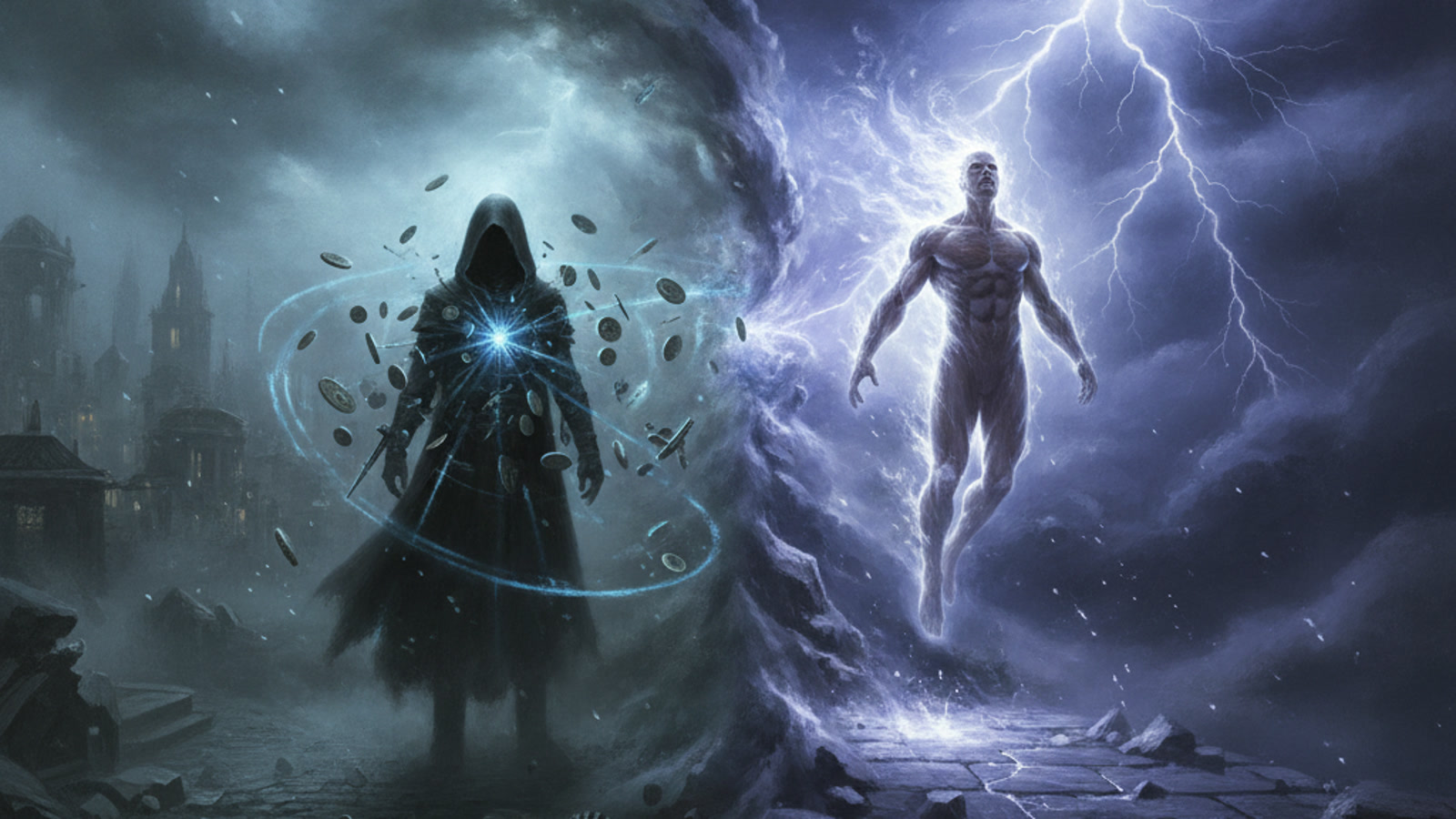
Allomancy is the most widely used form of Investiture on Scadrial, and Coppermind classifies it as an end-positive magic system, which means the Allomancer gains power from an outside source rather than spending their own. The source is Preservation. A burned metal works as a conduit: the metal is the focus of the power, not its origin, and it vaporizes as it burns. Allomancers swallow metal flakes in a vial of alcohol, feel a reserve of power in the stomach, and can flare a metal to get more force at the cost of burning through the reserve faster. There are sixteen basic Allomantic metals in pairs of a base metal and its alloy, so iron Pulls on nearby metal while steel Pushes, and each pair falls into a physical, mental, temporal or enhancement quadrant.
Allomancy is a spiritually inherited trait, and in the Final Empire a person of mixed heritage generally needed a noble ancestor within five generations to be born with the ability. The power stays dormant until a Snapping, which before the Catacendre usually took a traumatic experience; Coppermind notes Vin Snapped during her own difficult birth. A Misting can burn one metal, while a Mistborn can burn all of them, and the God Metals add effects outside the table, such as atium showing a few seconds of the future. Our Mistborn magic systems explained covers every metal alongside Feruchemy and Hemalurgy. Allomancy works the same way for a beggar and a lord: once the power Snaps, behavior does not matter, and only training separates a clumsy Coinshot from a lethal one.
“Allomancy is brutal, raw, and powerful.”
Khriss, Ars Arcanum of The Alloy of Law
How does Surgebinding work?
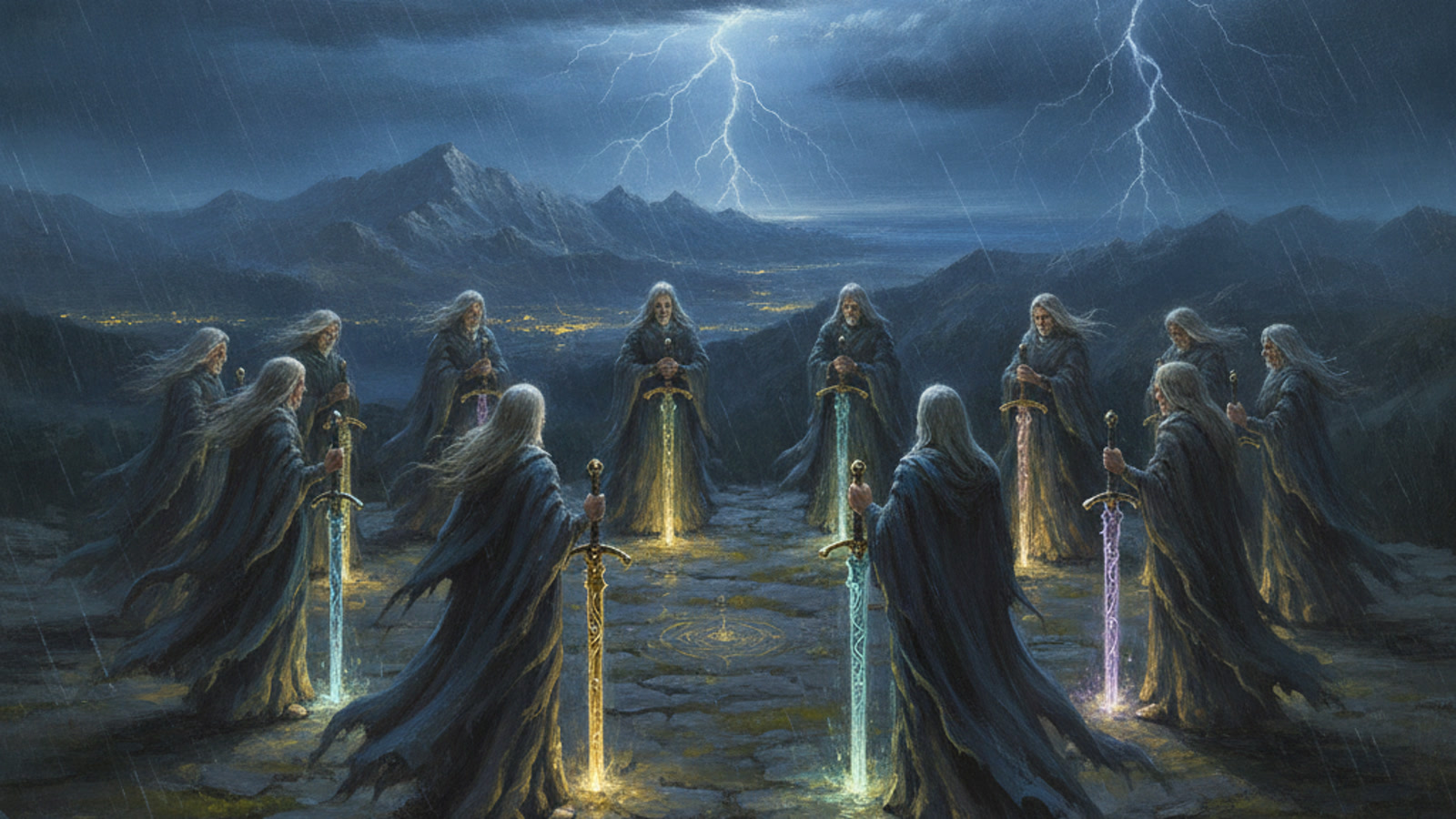
Surgebinding is a prime manifestation of Investiture on Roshar, and Surgebinders manipulate ten fundamental forces called Surges, such as Gravitation, Adhesion, Progression and Transformation, by infusing objects or beings with Stormlight. Surgebinding is not innate to Rosharans. According to Coppermind, the main routes in are a Nahel bond with a true spren, which grants two Surges; one of the ten Honorblades, which also grants two Surges but burns far more Stormlight and gives none of the bond’s extra abilities; and the direct blessing of Odium, which gives each Fused a single Surge powered by Voidlight. Surgebinders breathe Stormlight in from infused gemstones or straight from a highstorm, and the Light leaks out of the body over time as glowing vapor. Our Stormlight Archive magic system explained walks through all ten Surges.
Stormlight does more than fuel the Surges. Coppermind lists superhuman strength, speed, endurance and healing of both body and soul: a Surgebinder can fall hundreds of feet and walk away, and Stormlight can heal bad eyesight, scar tissue, severed limbs and even Shardblade wounds. The healing follows the Surgebinder’s Cognitive identity, so a soldier who sees his scars as part of himself keeps them. The Nahel bond carries a moral cost that Allomancy never asks for. A Radiant grows stronger by swearing Ideals tied to the spren’s values, and a Radiant who betrays those oaths weakens the bond until the spren breaks and every power disappears. Stormlight also brings an adrenaline rush followed by an exhausted crash, which Coppermind compares to the drag that hits a Pewterarm when the pewter runs out.
How do Allomancy and Surgebinding compare side by side?
Allomancy and Surgebinding are both end-positive Invested Arts, and the table below sets them against each other on eight points, using Coppermind’s entries on Allomancy, Surgebinding, Stormlight and the Nahel bond. The pattern is clear once the two are lined up. Allomancy trades raw scale for availability: the fuel is cheap, the power is inherited, and nothing a Mistborn does can switch it off. Surgebinding trades availability for scale: the fuel is tied to one planetary system, the power depends on a living spren and a set of oaths, and the payoff is flight, near-total healing and control over forces like Transformation that no Allomantic metal touches. Feruchemy and Hemalurgy, the other two Metallic Arts, sit outside this comparison on purpose, since adding them would compare all of Scadrial with a single Rosharan art.
| Allomancy | Surgebinding | |
|---|---|---|
| Source of power | Preservation, focused through a burned metal | Stormlight or another Light, breathed in |
| How you get it | Spiritual heredity plus Snapping, or lerasium | Nahel bond, Honorblade, Odium’s blessing (Fused) |
| Range of powers | 16 metals; Mistings get 1, Mistborn get all | 10 Surges; a Radiant or Honorblade gets 2, a Fused 1 |
| Healing | Pewter heals otherwise deadly wounds, while it lasts | Heals almost anything, severed limbs included |
| Fuel cost | Cheap metal flakes in a vial | Infused gemstones or a highstorm |
| Moral limits | None: power does not depend on behavior | Oaths; breaking them breaks the spren |
| Works off-world | Yes, metals from any planet | Not with Stormlight, which cannot leave Roshar’s system |
| Edge | Access, portability, precision | Raw ceiling, healing, flight |
Which magic system has the higher power ceiling?
Surgebinding has the higher power ceiling, and the strongest evidence comes from inside the cosmere. Khriss, the in-world scholar behind the Ars Arcanum essays, calls Surgebinding one of the most powerful Invested Arts in the cosmere, and Coppermind adds that Rayse, the Vessel of Odium, believes Shards on other worlds will go to war once they learn what it can do. The history of Ashyn supports that fear. Before the Nahel bond existed, humans Surgebinding under the direct blessing of Honor and Odium had no oaths or rules restraining them, and Coppermind records that their unbound Surges led to the scouring of Ashyn after roughly nine hundred years of war. No form of Allomancy has destroyed a planet. Surgebinding at full strength also stacks two Surges with self-healing, which is why our Vin vs Kaladin duel leans toward the Windrunner over a long fight.
Allomancy has a higher ceiling than its street-level image suggests, and Coppermind’s entry carries several examples. A normal person who burns lerasium becomes a Mistborn of undiluted power, and a Mistborn who burns it grows stronger, with the size of the bead setting the result. Atium lets a Seer dodge attacks from behind by reading a few seconds of the future, and the only reliable counter is another atium or electrum Allomancer. Advanced Allomancy combined with Feruchemy can even produce faster-than-light travel, according to a Word of Brandon, and Coppermind notes that the capability was built into the system. The difference is that Allomancy reaches those heights through rare God Metals and generations of technology, while a Radiant reaches flight and limb regrowth with one spren and a few Ideals.
Which magic system is easier to get and to fuel?
Allomancy is far easier to get and to fuel, and the gap is the main reason the system feels so dangerous on Scadrial. The ability passes through spiritual heredity, so a whole noble class carried it under the Lord Ruler, and after the Catacendre Harmony changed Snapping so that it develops around puberty without any trauma. Coppermind adds that during Scadrial’s Space Age Allomancy became more and more available to the public. The fuel is ordinary metal: a vial of steel flakes costs little, and Allomancers can burn metals mined on any planet. The main risks are impure alloys, which cause sickness and blinding headaches, and Allomantic savantism, where a metal flared too hard for too long leaves its user permanently dependent on it. No spren has to choose an Allomancer, and no Allomancer has ever lost the power for breaking a promise.
Surgebinding is much harder to get, because a spren chooses the person according to their actions and personality, and the bond only grows if the Radiant keeps living by the order’s attributes and swearing new Ideals. The fuel is plentiful but local. Before the True Desolation, every highstorm recharged the infused spheres that also serve as money across Roshar, and Coppermind notes infused spheres rose in value once Surgebinding returned. The supply is fragile in a way Allomancy’s is not. After the birth of Retribution and the start of the Night of Sorrows in Wind and Truth, Stormlight became inaccessible on Roshar, and Radiants had to rely on Towerlight, which leaks from them much faster. An Allomancer with a pocket of metal never faces that kind of fuel crisis.
Can Allomancy and Surgebinding work on each other’s worlds?
Allomancy travels well and Surgebinding does not, and portability is the clearest win for Scadrial’s system. According to Coppermind, Allomancers can burn metals from any planet in the cosmere because Preservation’s power reaches them through the Spiritual Realm, and Allomancy can even be used in the Cognitive Realm. Stormlight is bound by Connection to the Rosharan system, and even sealed in a gemstone it cannot leave; Mraize describes the container growing heavier the farther it gets from Roshar until it becomes immovable. Coppermind does note that Surgebinding can run on other Investiture, such as BioChromatic Breath from Nalthis or a perpendicularity, so an off-world Radiant is not helpless, only dependent on borrowed fuel. Our Cosmere explained guide maps how Investiture moves between the worlds.
So which magic system is stronger, Allomancy or Surgebinding?
Surgebinding is stronger, and Allomancy is better, and that verdict is our reading of the evidence rather than a ruling from Sanderson. One fully bonded Radiant outclasses one Mistborn in raw power, healing and versatility, and the destruction of Ashyn shows what Surgebinding does without restraints. Allomancy wins almost every practical test: it is inherited instead of earned, it runs on cheap metal, it works on any world, and it cannot be lost through a broken oath. Those design choices explain the two series. Mistborn is a heist story about specialists exploiting a reliable power, while the Stormlight Archive is about whether people deserve the power they hold. For the weapons that sit on top of both systems, read our Shardblades vs Honorblades vs Nightblood comparison next.
Frequently asked questions
Is Surgebinding stronger than Allomancy?
At full strength, yes. Surgebinding gives up to two of ten Surges plus Stormlight healing that can regrow limbs, and Khriss calls it one of the most powerful Invested Arts in the cosmere. Allomancy wins on access and portability: its metals work on any world, while Stormlight cannot leave the Rosharan system.
Can an Allomancer use their powers on Roshar?
Yes. According to Coppermind, Allomancers can burn metals from any planet in the cosmere, because the power comes from Preservation in the Spiritual Realm and the metal is only the focus. An Allomancer on Roshar still needs a supply of pure metal or correctly mixed alloys to burn.
Can a Knight Radiant use Surgebinding on Scadrial?
Only with an outside fuel source. Stormlight cannot leave the Rosharan system because of its Connection, and Mraize describes a container of it growing heavier the farther it travels until it cannot be moved. Coppermind notes Surgebinding can be fueled by other Investiture, such as BioChromatic Breath or a perpendicularity.
What is the difference between a Mistborn and a Knight Radiant?
A Mistborn is born with the ability to burn all sixteen Allomantic metals and needs a Snapping to awaken it. A Knight Radiant earns two Surges by bonding a spren through the Nahel bond and grows stronger by swearing Ideals. One is heredity and metal, the other is character and oaths.
Are Allomancy and Surgebinding end-positive?
Yes. Coppermind classifies both as end-positive Invested Arts, meaning the user gains power from an outside source. Allomancy draws on Preservation, channeled through a burned metal. Surgebinding draws on Stormlight or other Lights, which Surgebinders breathe in from gemstones or from the highstorm itself.
The Way of Kings is the perfect entry point. Available in print, Kindle, and audiobook.
The Stormlight Archive audiobooks - narrated by Michael Kramer & Kate Reading - are 40–57 hours each. The best use of a commute in fantasy history.