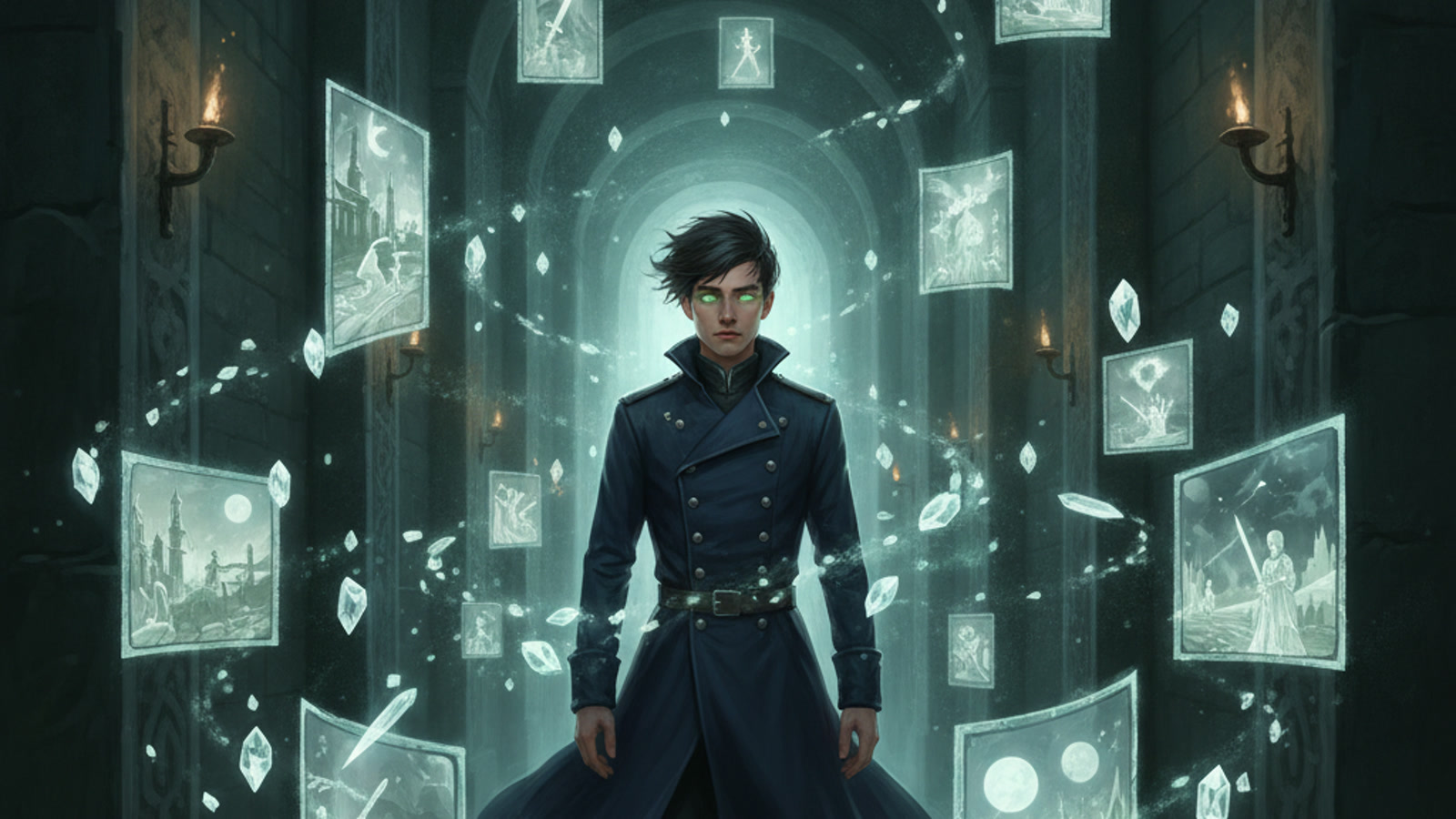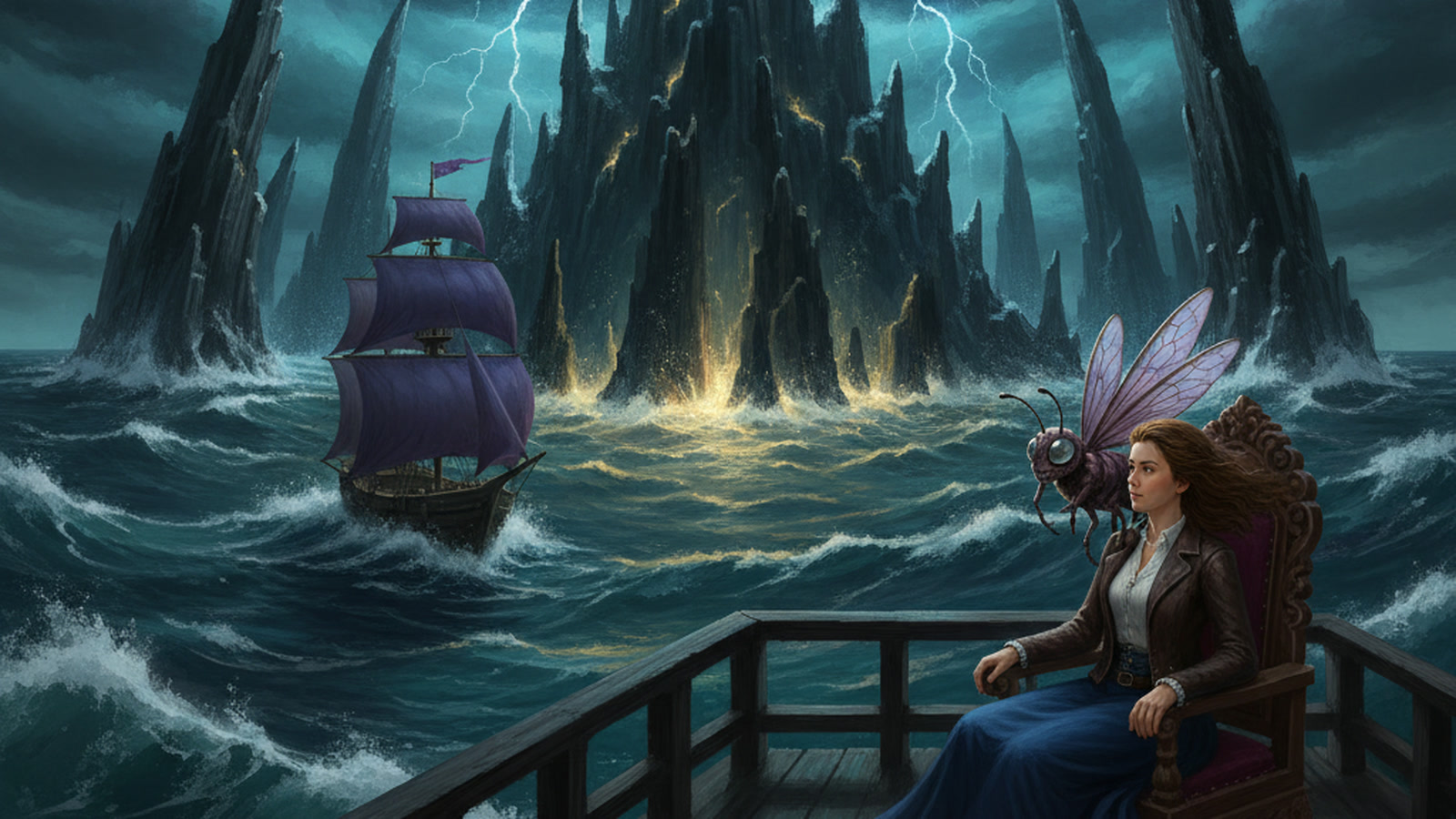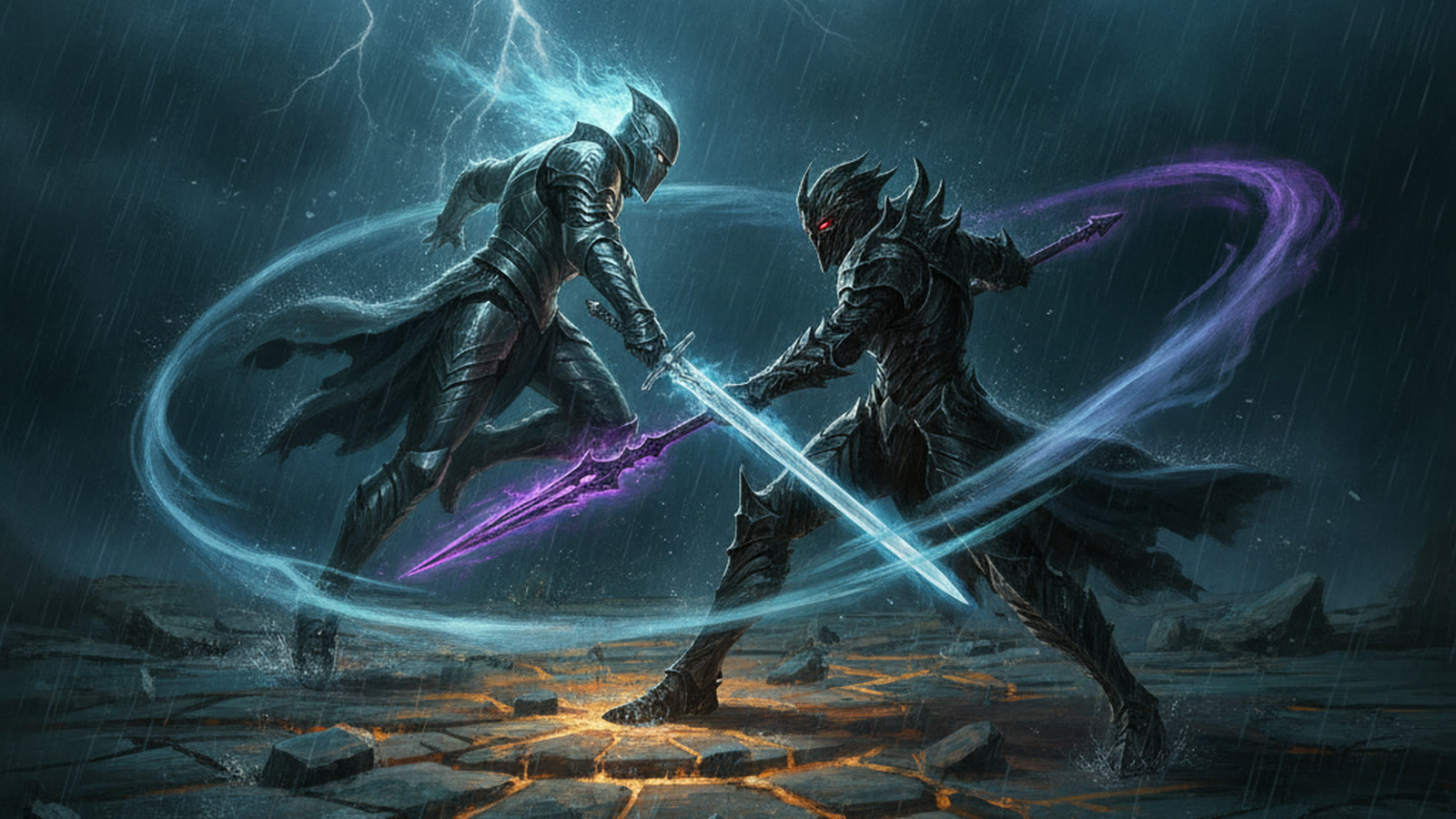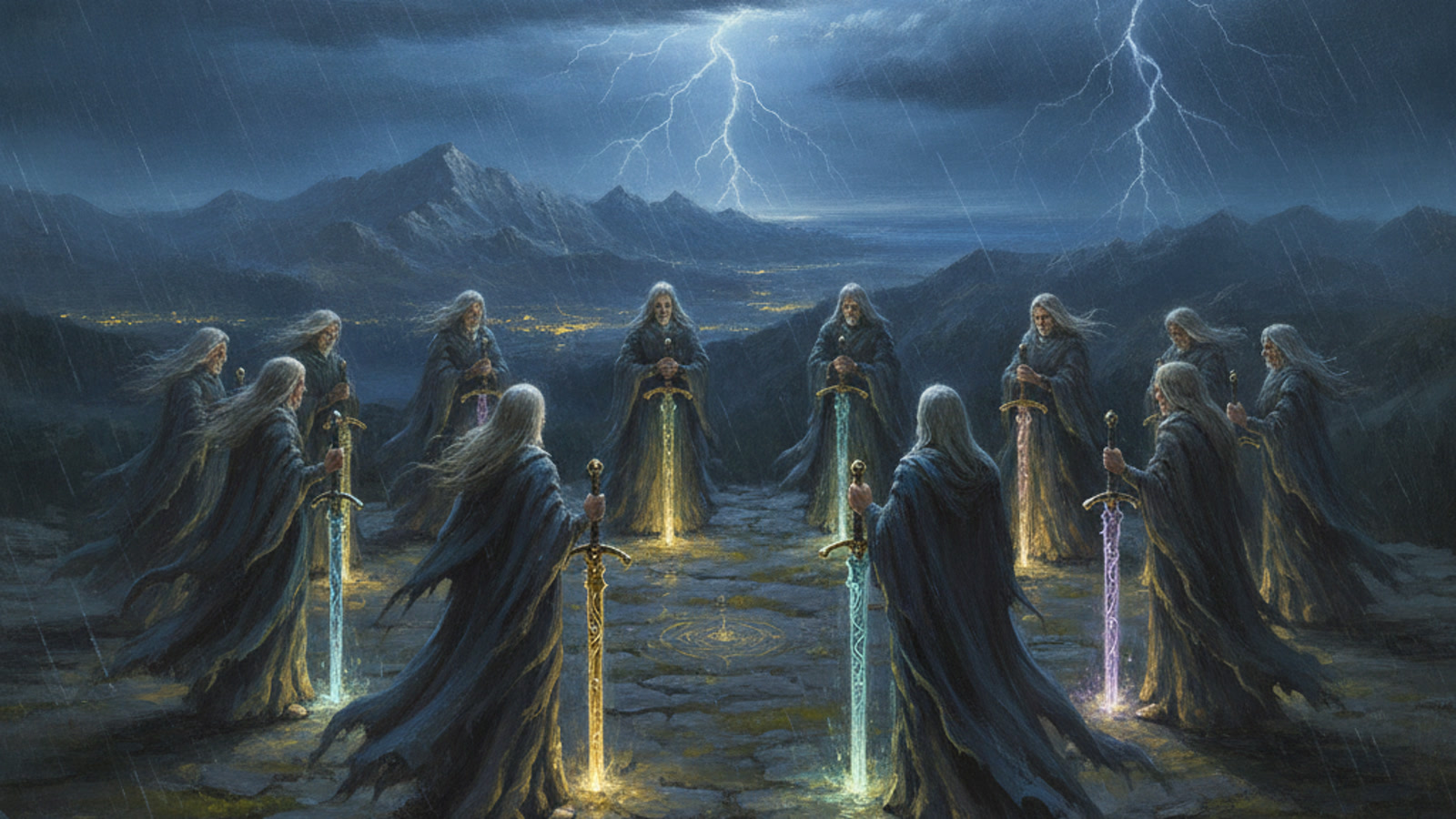
The Heralds are the ten immortal servants of the Almighty in the Stormlight Archive. Each Herald wields an Honorblade with two Surges and is patron of one order of the Knights Radiant. Jezrien, Nale, Chanarach, Vedel, Pralla, Shalash, Battar, Kalak, Talenel and Ishar swore the Oathpact, and Kaladin takes Jezrien’s place in Wind and Truth. Spoilers through Wind and Truth follow.
Who are the Heralds in the Stormlight Archive?
The Heralds are servants of the Almighty worshipped across Roshar, and according to Coppermind there are ten of them, each tied to one of the Ten Essences and to one of the ten orders of the Knights Radiant. Different cultures use different names for the same figures: in Azir the Heralds are the Kadasixes, and in Vorin kingdoms the honorific Elin is added to each name, which is why Vorin characters pray to Jezerezeh’Elin or Talenelat’Elin. Most of the Heralds were born on Ashyn and reached Roshar as refugees after humanity destroyed that planet through unrestrained Surgebinding. Before the First Desolation they were scholars, generals, priests and kings. Talenel was the exception, a Roshar-born soldier and bodyguard chosen because the Oathpact needed ten, and because Nale saw him as a link to ordinary people.
The Heralds are Cognitive Shadows, people so heavily Invested that Coppermind describes them as no longer human. A Herald who dies is sent to Braize, the world where Odium’s forces wait, and returns to Roshar only when one of the Heralds breaks under torture. Unlike the Fused, the Heralds never take over a living body to come back, because Honor found that practice abhorrent; a returning Herald’s body forms from pure Investiture, shaped by how the Herald perceives themselves. The Heralds do not age, yet the bodies are not truly immortal, since only the souls are, and Heralds still need food. Only volunteers could become Heralds, and only people who had felt the touch of a Shard qualified. Talenel became eligible that way, after he tried to assassinate Cultivation.
What are the names of all ten Heralds?
The ten Heralds joined the Oathpact in the order of their numbers, from Jes to Ishi, and each Herald’s Honorblade grants two Surges, one shared with the Herald before and one with the Herald after on the ring. The table below lists each Herald with the Vorin name, the Radiant order the Herald sponsors, the two Surges, and the title Coppermind records from Dragonsteel’s files for the in-world portraits used as chapter arches. Several Heralds also carry local names that readers meet in interludes: Jezrien is Yaezir in Azir and Yaysi in Iri and Rira, Nale is Nakku the Judge in Makabak, Kalak is Kellai in Iri, and Shalash is Epan in Emul. Kaladin is not in the table because he joined the Oathpact only at the end of Wind and Truth, replacing Jezrien.
| Number | Herald | Vorin name | Radiant order | Surges | Portrait title |
|---|---|---|---|---|---|
| 1 (Jes) | Jezrien | Jezerezeh’Elin | Windrunners | Adhesion, Gravitation | The King |
| 2 (Nan) | Nale | Nalan’Elin | Skybreakers | Gravitation, Division | The Judge |
| 3 (Chach) | Chanarach | Chanaranach’Elin | Dustbringers | Division, Abrasion | The Guard |
| 4 (Vev) | Vedel | Vedeledev’Elin | Edgedancers | Abrasion, Progression | The Healer |
| 5 (Palah) | Pralla | Pailiah’Elin | Truthwatchers | Progression, Illumination | The Scholar |
| 6 (Shash) | Shalash | Shalash’Elin | Lightweavers | Illumination, Transformation | The Artist |
| 7 (Betab) | Battar | Battah’Elin | Elsecallers | Transformation, Transportation | The Counselor |
| 8 (Kak) | Kalak | Kelek’Elin | Willshapers | Transportation, Cohesion | The Maker |
| 9 (Tanat) | Talenel | Talenelat’Elin | Stonewards | Cohesion, Tension | The Soldier |
| 10 (Ishi) | Ishar | Ishi’Elin | Bondsmiths | Tension, Adhesion | The Priest |
What powers do the Heralds have?
Each Herald wields an Honorblade, a weapon similar to a Shardblade but far more powerful, and an Honorblade lets its bearer use two Surges without a spren bond, which makes every Herald a Surgebinder while holding it. According to Coppermind, the Heralds sometimes swapped Honorblades to borrow each other’s Surges, and a Herald can sense where their Honorblade is even after someone else bonds it. The Knights Radiant came later: spren copied the Heralds’ Surgebinding, each order matching one Herald’s powers, and Ishar gave those new Surgebinders the structure of the Knights Radiant. The Heralds drew power directly from Honor at a level no Radiant could match, and did not need gemstones for Stormlight. Our Shardblades vs Honorblades vs Nightblood comparison covers the weapons in detail.
Beyond the Surges, the Heralds show superhuman speed, strength and reflexes that Nale calls the true skills of a Herald. In Wind and Truth, Coppermind notes, Taln moved fast enough to crack nearby windows and killed several Fused with his bare hands, and Nale fought Kaladin without Stormlight and slammed him out of his Shardplate against a stone wall. Over the millennia the Heralds also grew able to draw on the powers of Roshar itself rather than only Honor’s Surges, and around 4,550 years before the Night of Sorrows Honor granted them even greater access while keeping them bound by oaths. Each Herald carried a field of expertise, such as leadership, medicine or smithing, and the wisdom of the Heralds handed to humanity includes germ theory and hand washing before surgery, still practiced in the True Desolation.
What was the Oathpact and why did the Heralds abandon it?
The Oathpact was Honor’s answer to an enemy that would not stay dead. Around forty-three years into the First Desolation, according to Coppermind, Honor bound ten volunteers to himself, and each swore a Heraldic Oath to hold back the darkness and protect the land. Vedel then made the Heralds immortal by using their Connection to Honor to draw a constant flow of Investiture from the Spiritual Realm, locking body and soul at the age each had reached. The Oathpact cycle defined the Heraldic Epochs. At the end of each Desolation the Heralds went to Braize, where their presence kept the voidspren and Fused from returning to Roshar, until Odium’s forces found the Heralds and tortured them until one broke. The break sent all ten back to Roshar, and the next Desolation began.
Torture shortened the gaps between Desolations as the Heralds broke faster each time. At Aharietiam, the Last Desolation, only Talenel died in battle. Ishar argued that one Herald on Braize was enough to keep the Oathpact working, Honor accepted the choice while refusing to aid the Heralds further, and all nine left Talenel behind, with Ishar taking their shared suffering onto himself. The nine told humanity the Desolations were over and that the fight would move to the Tranquiline Halls, a cover story that ended the Heraldic Epochs. The Oathpact was cracked but not broken. Talenel held alone for about four and a half thousand years while the nine scattered and decayed; Coppermind lists Nale growing compassionless, Kalak paranoid, Jezrien drinking heavily and Shalash destroying her own artwork. The things you missed in The Way of Kings starts with that prelude.
Where are the Heralds during the True Desolation?
The True Desolation began when Talenel returned to Roshar around 1173, at the end of The Way of Kings, although Coppermind notes that Chanarach, not Talenel, was the Herald who broke on Braize. Rosharans dismissed Taln as a madman repeating the same mantra. Shalash, living under the name Ash, tracked him down with help from Mraize and found him at the Battle of Thaylen Field. In Oathbringer, Moash killed Jezrien, who was living as a drunk beggar in occupied Kholinar, with a raysium dagger that pulled the Herald’s soul into the gemstone at its hilt, so Jezrien could not return. Raysium works on Heralds because a Cognitive Shadow is pure Investiture, which the metal draws in, and the shock of Jezrien’s death knocked Taln and Shalash unconscious.
The other Heralds spent the war in scattered and often hidden roles. Nale led the Skybreakers and, before the Desolation, hunted potential Radiants because Ishar told him their return could trigger one; Coppermind places Nale and Kalak in the Kholinar palace on the night of Gavilar’s assassination. Battar served Kharbranth and the Diagram as an ardent named Dova. Ishar ruled Tukar as the God-Priest Tezim, swinging between megalomania and the wish to end his own existence. Wind and Truth adds two hard reveals: Chana was killed in self-defense by her daughter, Shallan Davar, on the same night as Gavilar’s death, and Shalash died alongside Taln when Fused attacked a hospital during the Battle of Azir. Our Unmade explained covers the enemies the Heralds once fought.
How did Kaladin become a Herald?
Kaladin became a Herald at the end of Wind and Truth to restore the Oathpact after Jezrien’s destruction. Ishar had sent Szeth on a pilgrimage through the monasteries of Shinovar, and Coppermind records that its real purpose was to test whether Szeth could take Jezrien’s place. At the Bondsmith Monastery, Ishar, still corrupted by Odium’s power, planned to dissolve the Oathpact after judging Szeth unsuitable. Kaladin swore the Fifth Ideal of the Windrunners and cleansed Ishar of that corruption, and the darkness Ishar carried turned out to be Odium’s power slowly infecting all the Heralds, which likely fed their madness. Then Taravangian ascended to Honor’s power as Retribution, and the Wind warned Kaladin that every spren would die unless a ring of ten bound the new Shard to the Rosharan system again.
“I accept this journey.”
Kaladin, swearing his Heraldic Oath in Wind and Truth
Kaladin’s Heraldic Oath was four words long, and Nale noted that the original Heralds had sworn something different, built around holding back the darkness. The reforging of the Oathpact used Vedel’s method and powers Ishar had not used in a long time, Surges outside Radiance, Stormlight or Honorblades. The ten Heralds then vanished to Braize together to seal Retribution in place, but this time, following an idea the Wind proposed, their minds went into a vision of Ashyn from before its destruction instead of facing torture by the Fused. Coppermind lists Kaladin’s new titles as Herald of Kings, Herald of the Wind and Herald of Second Chances. Our Kaladin Stormblessed character guide follows the rest of his arc, and the Wind and Truth summary covers the full ending.
Frequently asked questions
How many Heralds are there in the Stormlight Archive?
There are ten Heralds: Jezrien, Nale, Chanarach, Vedel, Pralla, Shalash, Battar, Kalak, Talenel and Ishar. Each one is tied to one of the Ten Essences and is patron of one order of the Knights Radiant. In Wind and Truth, Kaladin replaces Jezrien, so the ring of ten is complete again.
Which Herald stayed on Braize?
Talenel, also called Taln, stayed on Braize. He was the only Herald who died in battle at Aharietiam, and the other nine chose not to return. Taln endured about four and a half thousand years of torture alone before he came back to Roshar at the end of The Way of Kings.
Why did the Heralds abandon the Oathpact?
Centuries of death, torture on Braize and new Desolations broke the Heralds down, and they broke faster each cycle. After Aharietiam, Ishar argued that one Herald on Braize was enough to hold the Oathpact. Honor accepted the choice but refused to help them further, and nine Heralds left Talenel behind.
Who killed Jezrien?
Moash killed Jezrien in Kholinar during Oathbringer, using a raysium dagger that trapped the Herald’s soul in the gemstone at its hilt. Because of the dagger, Jezrien could not return. According to Coppermind, the remnants of Jezrien’s soul were later destroyed by El with anti-Stormlight in Wind and Truth.
Does Kaladin become a Herald?
Yes. At the end of Wind and Truth, Kaladin swears a Heraldic Oath and takes Jezrien’s place so the Oathpact can be reforged and bind Retribution to the Rosharan system. Coppermind lists his titles as Herald of Kings, Herald of the Wind and Herald of Second Chances.
The Way of Kings is the perfect entry point. Available in print, Kindle, and audiobook.
The Stormlight Archive audiobooks - narrated by Michael Kramer & Kate Reading - are 40–57 hours each. The best use of a commute in fantasy history.